Acoustic Design in Historic & Listed Buildings — Retrofitting Sound Solutions without Compromising Heritage
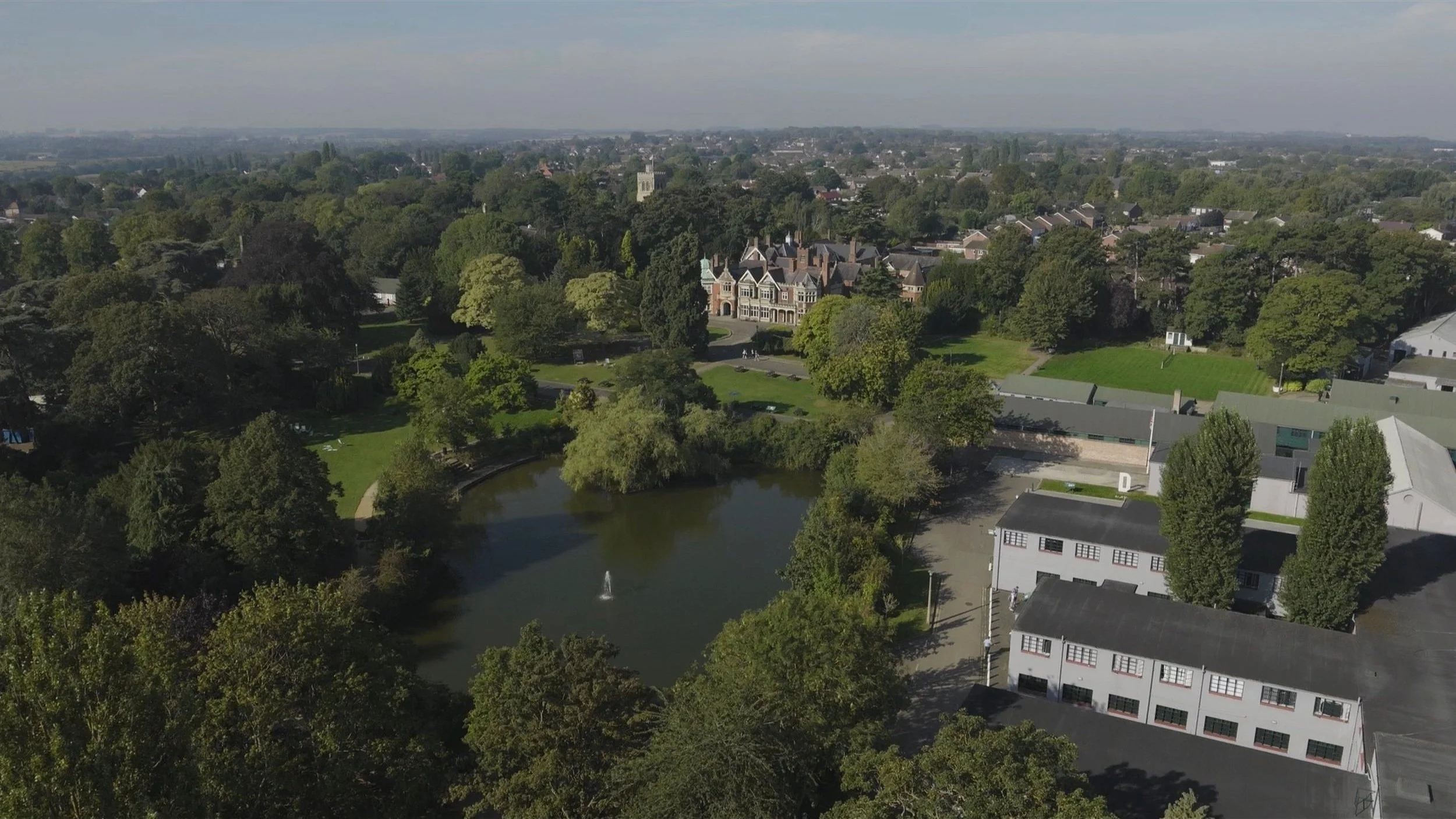
bletchley park - milton keynes
Historic and listed buildings hold immense architectural, cultural, and emotional value. Many were built long before modern acoustic comfort became a standard, resulting in issues like echo, reverberation, and poor speech clarity. Retrofitting acoustic solutions in these spaces comes with unique challenges: heritage regulations, decorative surfaces, and structural limitations.
Our PetFelt range offers flexible, heritage-friendly wall and ceiling solutions that improve acoustics without compromising the building’s character. This article explores challenges, design strategies, and product-focused solutions for retrofitting sound in heritage interiors.
1. Understanding the Acoustic Challenges of Historic Buildings
Historic buildings present a unique set of acoustic challenges. They often feature hard, reflective surfaces such as stone walls, plaster, and timber floors, which can amplify sound and create unwanted echoes. High ceilings and large volumes further exacerbate reverberation, while irregular geometries and decorative features can limit standard acoustic installation options. In addition, regulatory constraints, including listed building consents and conservation area approvals, must be considered when planning interventions. Flanking sound paths—where noise bypasses walls or floors via structural elements—add another layer of complexity. These factors make bespoke acoustic strategies essential to achieve a balance between performance and aesthetics.
2. Design Principles for Heritage Acoustics
Effective acoustic solutions for historic buildings should prioritize minimal invasiveness and reversibility, ensuring that any interventions can be removed without causing damage. Visual sensitivity is also critical; panels, baffles, and rafts should harmonize with the building’s interior finishes. A layered approach, combining wall and ceiling treatments, often provides the most effective results, while targeted interventions should focus on reflection points and high-use areas. Complementary systems, including both passive and active solutions such as sound masking, can further enhance performance. Finally, coordination with existing building services—including HVAC, lighting, and fire systems—is essential to ensure that acoustic improvements integrate seamlessly with the overall infrastructure.
3. Preliminary Survey & Acoustic Assessment
Before specifying products:
Conduct a detailed acoustic survey (ambient noise, reverberation, sound insulation)
Identify problematic zones (halls, meeting rooms, corridors)
Map construction materials and decorative surfaces
Check heritage restrictions and planning requirements
Define performance targets (reverberation time, speech clarity)
Use acoustic modelling to evaluate interventions
Tip: Document the existing conditions for both acoustic analysis and heritage compliance.

Petfelt Printed Panel - Marble
4. Retrofit Techniques & Solutions For Historic Buildings
Our PetFelt range delivers high-performance, visually sympathetic solutions for walls and ceilings in heritage settings.
A. Wall-Mounted Acoustic Solutions
PetFelt Panels (9 mm, 12 mm, 24 mm)
High-performance sound absorption, NRC up to 0.90
Available in 60+ colours for heritage-appropriate matching
Lightweight and non-intrusive, with multiple fixing options
Perfect for first-reflection walls and decorative groupings
PetFelt Printed Panels
Custom-printed surfaces reproduce historical motifs or colour palettes
Ideal for heritage-sensitive spaces requiring visual authenticity
Combines acoustic absorption with bespoke aesthetics
PetFelt Woods
Wood-grain finishes such as oak, walnut, ash, and beech
Provides modern acoustic control while harmonizing with timber interiors
Suitable for boardrooms, halls, churches, and civic buildings

PetFelt Printed Ceilng Rafts - Pantone Colour Matched
B. Acoustic Ceiling Treatments
PetFelt Acoustic Baffles
Vertically suspended, lightweight, and colour-customizable
Reduce reverberation in high or vaulted ceilings
Minimal fixation preserves ornate ceilings
PetFelt Ceiling Rafts
Horizontal, floating panels creating dedicated acoustic zones
Maintain natural light and visual space
Available in custom shapes and colours
Effective in atria, halls, dining spaces, and public foyers
C. Heritage-Friendly Fixing & Mounting Strategies
When installing acoustic treatments in historic or listed buildings, it is essential to use non-invasive mounting methods, such as adhesives, magnets, or removable frames, to protect delicate surfaces. Minimising anchor points on fragile ceilings and walls helps preserve the building’s structural and decorative integrity. Modular and segmented installations are particularly effective, allowing for easy removal, maintenance, or future upgrades without causing damage. Close coordination with conservation officers ensures that all mounting methods comply with heritage regulations, balancing acoustic performance with preservation requirements.
5. Regulatory & Consent Issues
Working with historic or listed buildings requires careful attention to regulatory and consent issues. Early engagement with conservation officers and heritage bodies is essential to secure listed building consents and approvals, ensuring all acoustic interventions align with preservation guidelines. In some cases, achieving full acoustic compliance under building regulations may be constrained by the building’s fabric. Here, a “test and declare” approach can be used, documenting all efforts, testing results, and accepting declared performance levels. Comprehensive documentation is crucial for every alteration, including heritage impact statements, material samples, and justification for reversible design choices. Collaboration with other specialists—such as heritage architects, structural engineers, and fire safety experts—ensures that acoustic solutions are compatible with the building’s structure and services. Long-term maintenance planning is equally important, outlining cleaning, repair, and care methods that protect the acoustic elements while respecting the historic fabric.
6. Implementation Tips & Best Practices
Integrating acoustics early in architectural planning is key to achieving effective results in historic buildings. Prototyping or mock-up treatments in small areas allows designers to test both visual and acoustic performance before full-scale installation. High-impact zones, such as assembly rooms or spaces used for speech, should be prioritised to maximise acoustic benefits. Thorough documentation of existing conditions—including photographs, drawings, and material records—supports design decisions and ensures heritage compliance. Using reversible fixings, such as clips or non-invasive adhesives, preserves the integrity of historic surfaces while allowing future removal. Coordination with lighting, HVAC, and cabling ensures acoustic treatments do not interfere with building services. Finally, post-installation testing is vital: measuring acoustic performance before and after installation allows comparison against targets and ensures that design objectives are met, while ongoing maintenance planning guarantees the longevity and functionality of acoustic interventions in heritage buildings.
7. Benefits & ROI
Even when constrained by heritage restrictions, acoustic upgrades deliver:
Improved speech intelligibility, clarity in meetings, and events
Increased usability of spaces (concert, lectures, hospitality)
Enhanced occupant comfort, less noise fatigue
Preservation of heritage while adapting to modern use
Better property value and usability
Conclusion
Bridging the worlds of heritage and acoustics is a delicate balance — but it is very achievable with thoughtful design, sensitive materials, reversible techniques, and early collaboration with conservation stakeholders. For GB Acoustics, this subject offers a strong niche positioning: showing that your products and expertise are not only for modern builds, but adaptable to the most sensitive architectural environments.