The Future of Acoustic Design in 2026: Key Trends Shaping Sound-Smart Spaces
As acoustic design continues to evolve, 2026 brings a new wave of innovation that goes beyond simple noise control. Building on the key themes from last year — multifunctional solutions, sustainability, wellbeing, and aesthetics — the latest trends show how acoustic materials are becoming more integrated, more data-driven, and more design-led than ever before. Whether for commercial, residential, education, healthcare, or hospitality projects, acoustic design is now a core part of creating spaces that perform well and feel comfortable to use.

1. Sustainability with Verified Acoustic Performance
In 2026, sustainability is no longer about claims — it’s about proof. Architects and specifiers increasingly expect acoustic materials to deliver high performance while meeting clear environmental standards.
This includes:
Greater use of recycled and bio-based materials
Low-VOC, non-toxic manufacturing processes
Transparent lifecycle data and environmental declarations
Sustainable acoustic materials are now expected to perform as well as, or better than, traditional alternatives, removing the need for compromise between environmental responsibility and sound absorption.
2. Flexible and Modular Acoustic Solutions
The demand for adaptable spaces continues to grow, driving the need for modular acoustic systems that can evolve with changing layouts.
Popular solutions in 2026 include:
Demountable acoustic wall and ceiling panels
Freestanding screens and partitions
Modular systems that support reconfiguration without major refurbishment
These solutions are especially valuable in hybrid workplaces, co-working environments, and educational spaces where layouts frequently change.
3. Aesthetic-Led Acoustic Design
Acoustic materials are no longer hidden. In 2026, they are increasingly specified as visible design features that contribute to the overall interior concept.
Key aesthetic trends include:
Custom colours, textures, and finishes
Geometric, wave, and sculpted panel designs
Seamless integration with lighting, ceilings, and architectural features
Design-led acoustic materials allow spaces to balance visual impact with acoustic comfort, making sound control an intentional part of the design language.
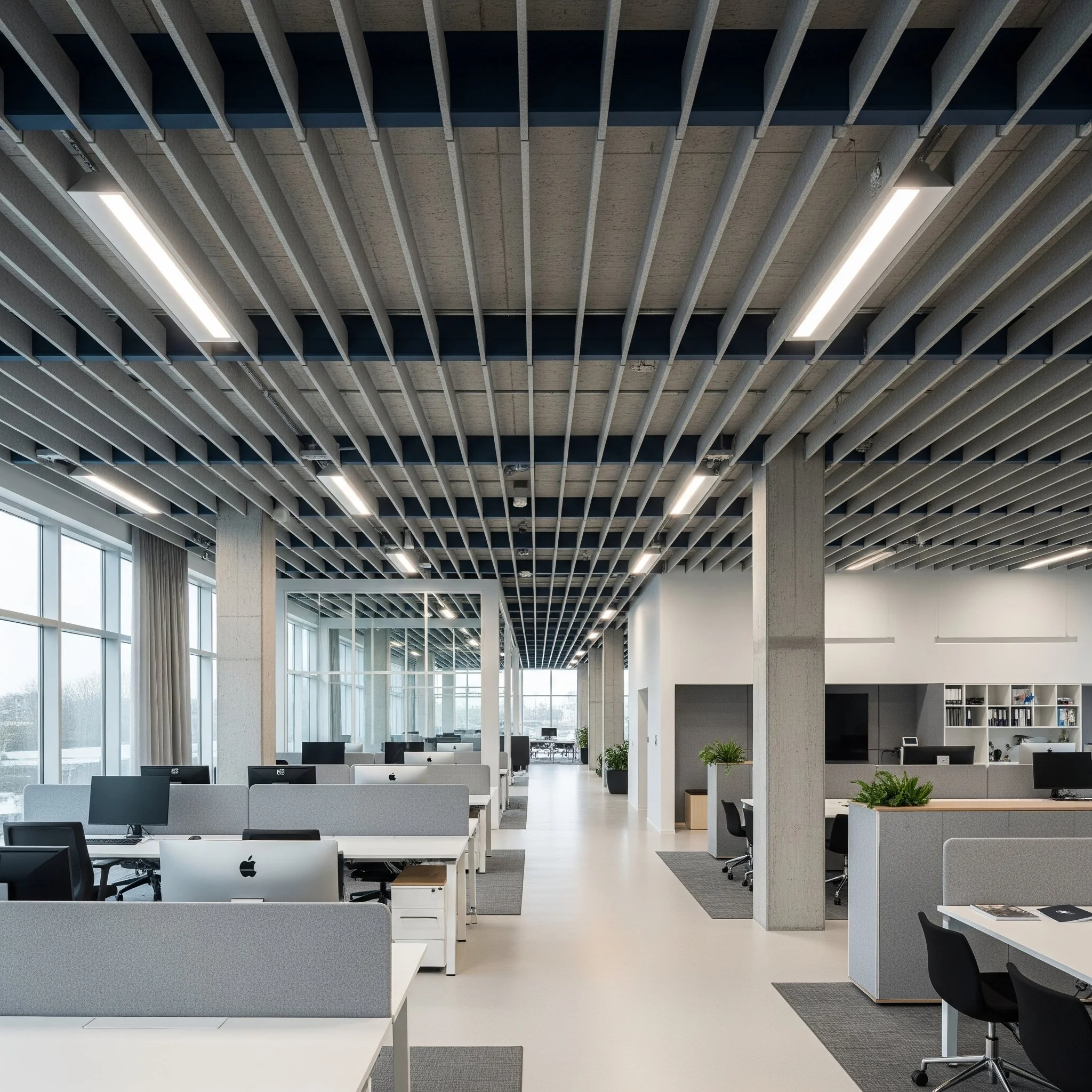
Modular PetFelt Ceiling Baffles - The high performance solution.
4. Wellbeing-Focused Acoustic Environments
Noise management is now widely recognised as a key factor in health, wellbeing, and productivity. In 2026, acoustic comfort plays a central role in workplace wellness strategies and building standards.
Benefits of effective acoustic design include:
Reduced stress and fatigue
Improved concentration and communication
More inclusive and comfortable environments
As wellbeing frameworks continue to influence design decisions, acoustic materials are increasingly selected for their impact on human experience, not just technical performance.
5. Data-Driven Acoustic Specification
Specifiers are more informed than ever, and acoustic products are increasingly selected based on clear, accessible performance data.
In 2026, expectations include:
Transparent sound absorption and frequency data
Application-specific performance guidance
Digital resources that integrate easily into design workflows
Providing accurate, well-presented acoustic data builds trust and supports faster, more confident specification decisions, buildings, or bespoke architectural projects, ensuring high-quality results while optimising budgets.
6. Smart and Technology-Integrated Acoustics
Emerging technologies are beginning to influence acoustic design, particularly in large commercial and public buildings.
Early developments include:
Sensors that monitor sound levels
Acoustic systems designed to adapt to changing noise conditions
Integration with smart building and environmental control systems
While still evolving, these technologies point toward a future where acoustic environments respond dynamically to how spaces are used.
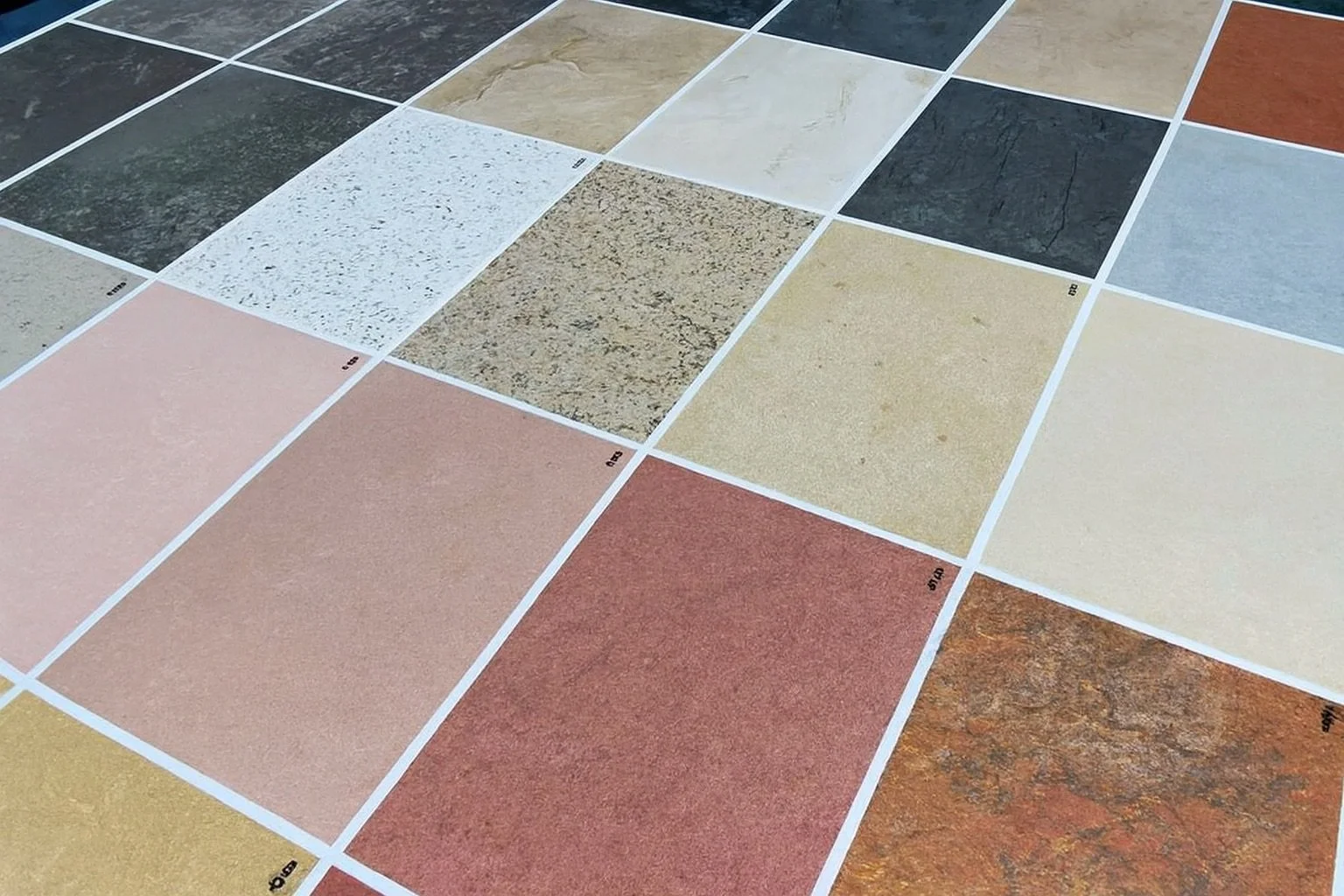
PetFelt Printed Panels - Custom RAL matching and bespoke surfaces Avaiable
7. Growth in Residential Acoustic Demand
Higher-density living and long-term home working continue to drive demand for residential acoustic solutions.
Common applications include:
Sound control between apartments
Acoustic treatments for home offices and media rooms
Decorative panels that blend with interior décor
Homeowners are increasingly aware of the benefits of professional acoustic materials, valuing both performance and appearance.
8. Bespoke and Large-Scale Acoustic Solutions
Custom acoustic solutions are becoming more accessible, even for large-scale projects. In 2026, bespoke design is often combined with efficient manufacturing to deliver tailored results at scale.
This includes:
Custom panel sizes and shapes
Brand-aligned colours and finishes
Acoustic features integrated into architectural details
The ability to deliver bespoke acoustic materials efficiently is a key advantage for complex commercial and public projects.
Looking Ahead
Acoustic design in 2026 is defined by balance — between performance and sustainability, flexibility and structure, function and aesthetics. As expectations rise, acoustic materials are no longer a finishing touch but a fundamental part of high-quality building design. Businesses and designers who embrace these trends are better positioned to create spaces that sound better, feel better, and perform better — now and into the future.